
By Vivek Anand Asokan
By arguing that equity matters and that plastic solutions must match the diverse capacities of countries, the article examines the ongoing negotiations for a global plastics treaty through the lens of equity and environmental justice. The author argues that solutions to plastic pollution must recognise differences in countries’ historical responsibilities, capacities, and development needs, grounded in the principle of Common but Differentiated Responsibilities (CBDR). It highlights the risks of imposing uniform measures, such as global production caps, focusing on South and Southeast Asia.
At the UN Environment Assembly (UNEA-5.2) in 2022, member states pledged to develop a treaty to combat plastic pollution, a pressing issue in South and Southeast Asia, which the OECD’s Global Plastics Outlook identifies as a hotspot for plastic waste. Developing countries are advocating for inclusion of the principle (and here) of Common but Differentiated Responsibilities (CBDR) in the treaty.
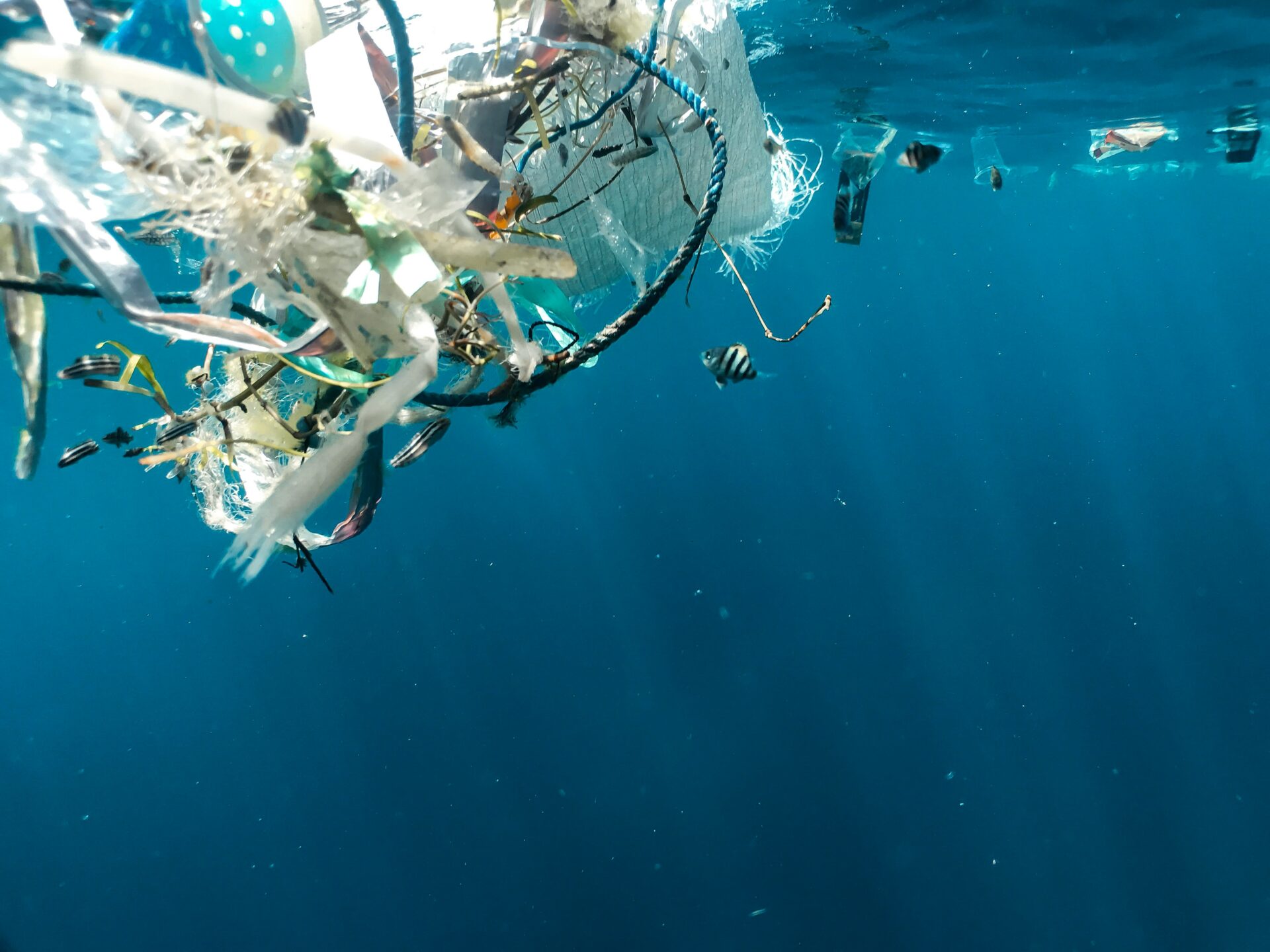
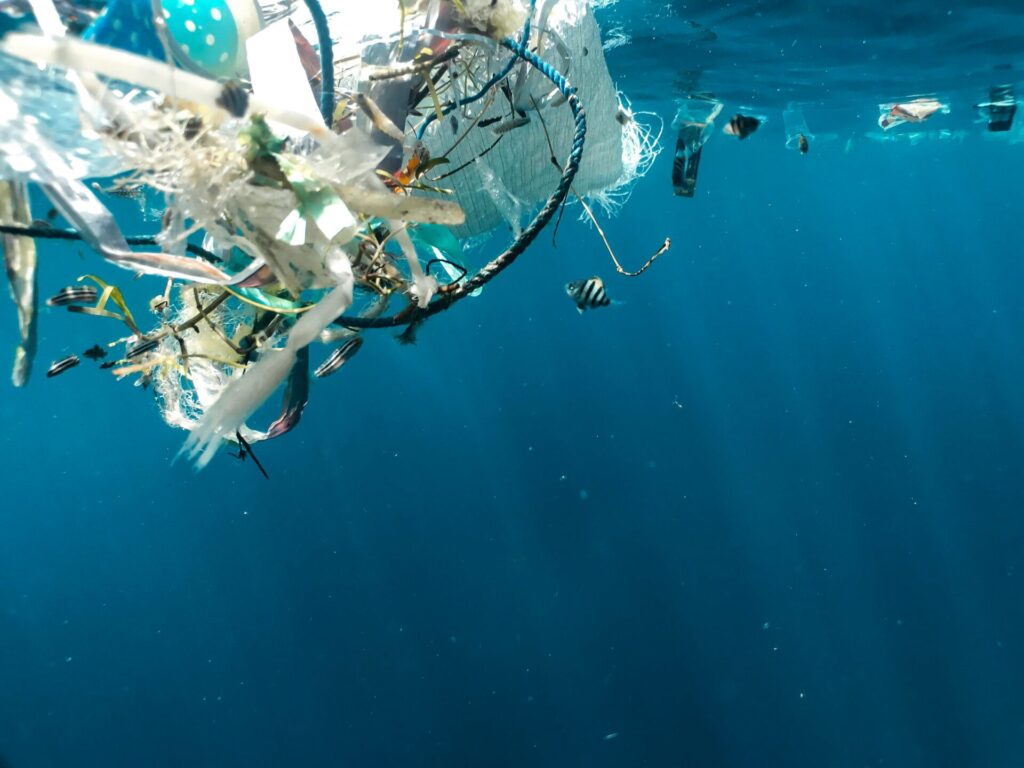 Figure 1 – Plastics at sea! Plastic pollution is a growing environmental challenge. (credit – Naja Bertolt Jensen, source – from Unsplash website under Creative Commons license)
Taking into account the recommendations of high-ambition countries and global environmental campaigns, who are calling for cuts in global plastic production without taking into account the substantial disparity in per capita plastic consumption, I will argue for the importance of CBDR.
The terms developing countries and developed countries are used in this piece to align the discussion with international policy negotiation. I emphasise that human development —understood by Amartya Sen as the expansion of human freedoms and capabilities—is still ongoing in many late-developing countries. The process of human development has been shaped by unequal power, colonialism, and the post-war development built on colonialism.
For example, in Asia, this can be seen from a clear cleavage between the former-colonial states that are advanced economies of the G7 (Group of Seven) and OECD (Organisation for Economic Co-operation and Development). The rest (such as Group of 77 (G77)) are trying to catch-up economically, as well as expand human freedoms. The developing countries still face unequal trade where labour and money flows back to advanced global North, making them still dependent on advanced economies.
The developing countries grouping is not monolithic, with certain countries having better capacity, technology, income and thereby greater leverage than income/resource-poor developing countries, such as Malaysia or Nepal, India or Cambodia.
Still, they are not in the league of the advanced economies of G7/OECD countries to shape international resource governance framework. In response, developing countries have promoted a New International Economic Order to democratise the existing international economic order, to make it more democratic and equal, and call for more trade policies to support human development in their countries.
While it can be challenging to classify China alongside other developing countries given its substantial manufacturing capacity, it is nevertheless categorised as a developing economy for the purposes of this discussion. This classification reflects the large proportion of its population that remains in the process of human development and achieving greater economic freedom, despite the country’s strength in the manufacturing sector.
While political ecology rejects the binary between developed and developing countries, I retain this distinction here for analytical clarity. I wish to use this analysis specifically in this case, as it stands, to be cautioned that the same justification can be weaponised to obscure their historical and current advantage of advanced economies over other countries and shift the blame to developing countries.
For example, plastics are derived from fossil fuel feedstocks and the dominant players in fossil fuel supply chains are companies headquartered in advanced economies. The companies invest in advanced economies such as the United States, Canada, Australia, as well as globally, such as in Africa (Mozambique and Nigeria). This relation is most stark in terms of future investments in natural gas infrastructure.
I argue that, without explicit incorporation of CBDR, the global plastics treaty risks replicating inequities and burden-shifting seen in climate governance, undermining both fairness and effectiveness.
An international instrument, such as a treaty, needs to be perceived as fair, respecting differences in responsibility, capacity, and equity among its participants. To effectively enforce the treaty, mechanisms such as finance, technology transfer, and capacity-building are essential to bridge these differentiated capacities.
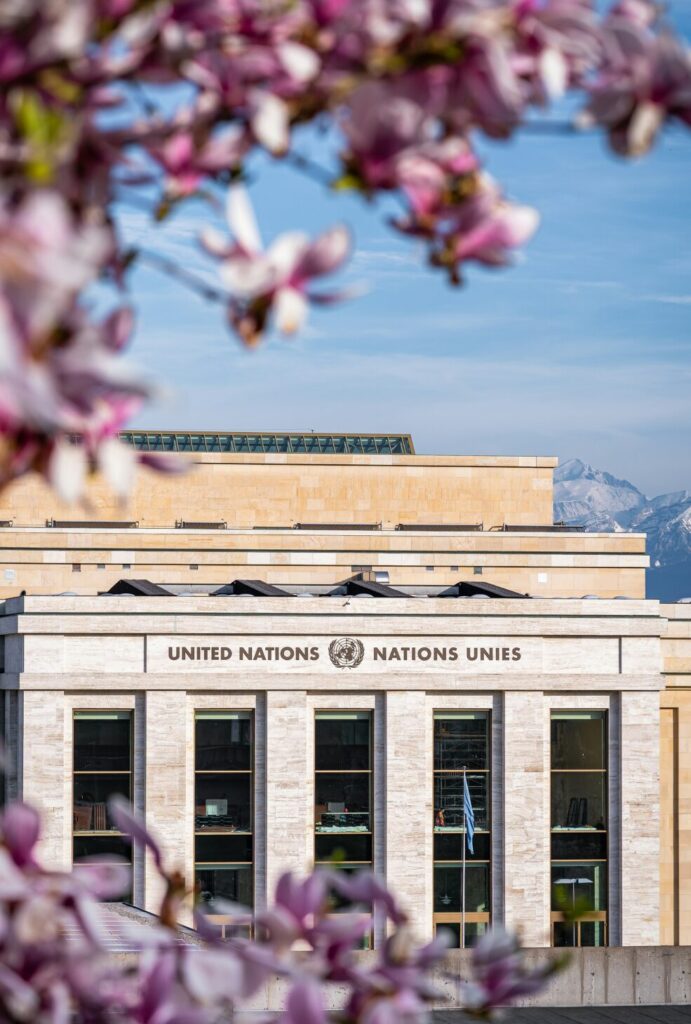 Figure 2 – The United Nations is negotiating the terms of a global treaty to manage plastic pollution. (credit – Cheng Lin, from Unsplash website under Creative Commons license)
First agreed upon at the 1992 Rio Earth Summit, the principle of CBDR is an important tenet of international environmental law. It holds that all countries share responsibility for environmental protection, but that developed countries bear a greater burden due to their historical emissions and capacity.
The principle of CBDR features in the United Nations Framework Convention on Climate Change (UNFCCC)and the Kyoto Protocol. In the Paris Agreement of 2015, CBDR was updated to ‘common but differentiated responsibilities and respective capabilities’ (CBDR-RC).
The principle of CBDR was also affirmed in the International Court of Justice’s advisory opinion in 2025. The advisory noted that states with greater resources and capacities are expected to meet a higher standard of care, meaning a greater share of efforts to mitigate environmental harm, as well as support for other countries, reflecting their greater capacity, responsibility, and equity.
The principle of differentiated responsibilities has also been adopted by other Multilateral Environmental Agreements (MEAs), even though CBDR is not explicitly mentioned. For example, the Basel Convention on the Control of Transboundary Movements of Hazardous Wastes and Their Disposal (1989) and the Minamata Convention on Mercury (2013) both include provisions for capacity building, training and technology transfer.
A few scholars have argued that CBDR is partly or completely irrelevant. CBDR can be understood using equity, responsibility and capacity.
Equity: Industrialization in the developed world relied on fossil fuels, making greenhouse gases (GHGs) emissions both a driver of development and a pollutant. Similarly, plastics—also fossil fuel based—are deeply embedded in modern life, from construction and healthcare to transportation and electronics. Recognizing plastics’ dual role as valuable materials and significant pollutants is essential for effective policy design. Per capita plastic use is 156 kg/year in OECD countries, compared with 39 kg/year in non-OECD countries.
Responsibility: The disparity between developed and developing countries reflects broader global inequalities. These are further exacerbated by the export of plastic waste to developing nations, including through illegal trade and environmental crime syndicates (see here, here and here). However, not all plastic pollution is transboundary: OECD Global Plastics Outlook studies note that most plastic leakage into waterways occurs close to coastlines, suggesting that local waste management capacity is a key driver of pollution. Around 0.5% of world’s plastic waste ends up in oceans.
Capacity: Developing countries face significant environmental challenges due to their low level of economic development. These include a lack of infrastructure and the cost of adapting to climate change due to the delayed implementation of global climate mitigation measures.
Proposed measures to address plastic pollution include taxes, bans, extended producer responsibility schemes, production cuts, and adoption of bio-based alternatives. While potentially effective, these measures risk exacerbating existing inequalities. While these measures could help to reduce pollution, the latter two are particularly costly and difficult to implement in developing countries as many developing countries lack viable alternatives to plastics.
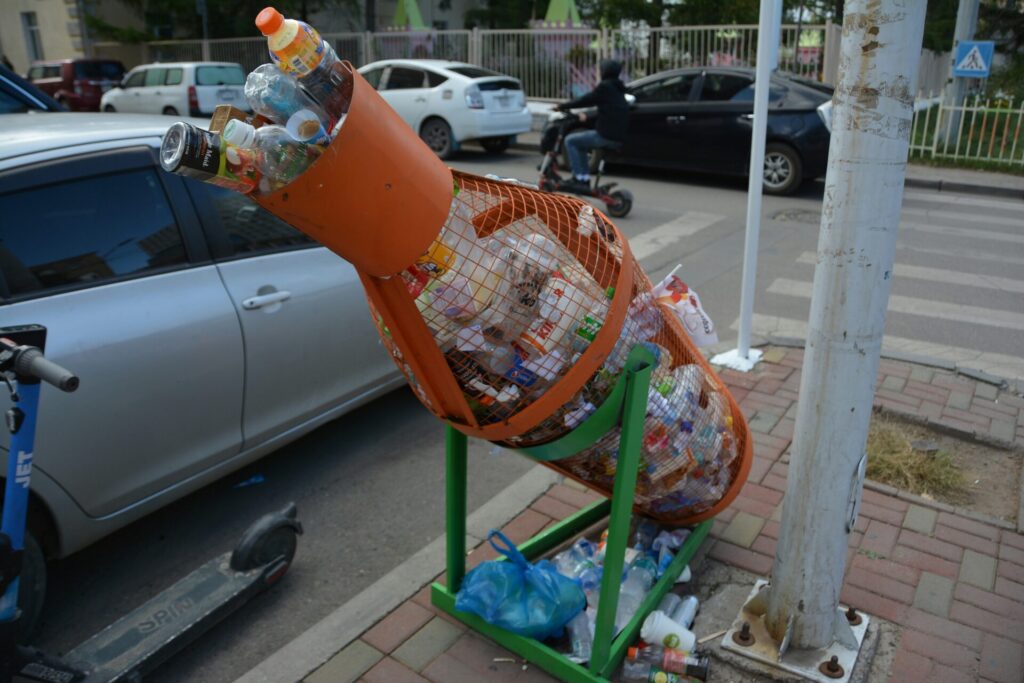 Figure 3 – What policy measures can address plastic pollution? (credit – Adil Edin, from Unsplash website under Creative Commons license)
Understanding these dimensions of CBDR is crucial to assessing the equity implications of measures justified on health and climate grounds. The High Ambition Coalition advocates reductions in plastic production and the adoption of bio-based alternatives based on the purported links between plastics and adverse health and climate impacts in developing countries.
However, there remains uncertainty as to whether the best available science supports such measures without considering the trade-offs and limited availability of alternatives, particularly with regard to human development in developing countries.
Recent literature has highlighted potential health risks associated with plastics, particularly for products like openly littered single-use plastics (SUPs) and toxic plastics, which may pose exposure risks to certain populations, particularly children and women. However, evidence on broader population-level risks remains debated, particularly regarding whether complete bans on plastic products are the only means to control the harmful effects of plastic pollution as the study calls for further research to address these gaps in the evidence, particularly with regard to population-level exposure and causal pathways.
There is growing concern regarding exposure to certain plastic-associated chemicals and microplastics. The policy challenge is therefore not whether risks exist, but how trade-offs are managed – precautionary measures should be designed while accounting for developmental needs and availability of alternatives.
While the connection between plastic production and fossil fuels is well established, the link between plastic pollution and fossil fuel mitigation remains contested. Robust waste management systems and targeted upstream measures can help mitigate plastic pollution in developing countries as countries seek critical material inputs to build economy, capacity and technology know-how.
A global reduction in plastic production would have an adverse effect on the population of fossil-fuel dependent developing countries. For example, the current Strait of Hormuz supply chain crisis, as well as the experience of the pandemic, shows that limited supplies would be prioritized for developed countries due to their higher buying capacity. The naphtha shortage documented in Japan highlights the importance of plastic, especially for health and hygiene purposes.
Past efforts also demonstrate how stringent bans on plastic consumption were implemented in developing countries. If plastic supply were reduced due to a cap on plastic production, there remains a risk that the markets would prioritize consumption in advanced economies with greater purchasing power.
The waste pyramid principle remains very useful guide; however, its implementation should be seen in conjunction with development realities. Measures emphasizing demand reduction should not constrain material demand to provide basic infrastructure, healthcare products, and industrial materials.
This framing also risks shifting climate mitigation burdens to developing countries and sidesteps historical responsibility or differentiated responsibility recognized in Paris Agreement (Preamble, Articles 2 and 4). Because most plastics are produced from fossil-fuel feedstocks, restrictions on plastic production may operate as indirect climate-mitigation measures. This raises the question if the climate-mitigation obligations are being redistributed through the plastics treaty without the differentiation and nationally determined commitments that characterise the Paris Agreement.
These measures risk deepening existing economic asymmetries rather than addressing plastic pollution equitably. Proposed global caps on plastic production, if based on current shares, risk entrenching developed countries’ advantages, as they are the major producers and have accumulated plastic stocks. Developing countries, which rely heavily on technical support and recycled feedstock, could face shortages. Additionally, alternatives like bioplastics could compete with land needed for food production, driving up both plastic and food prices.
These risks raise significant governance concerns regarding the principle of Common but Differentiated Responsibilities (CBDR). Such measures will lead to indirect climate burden-shifting, by effectively transferring climate mitigation responsibilities to countries that have not voluntarily committed to them under their NDCs, while imposing economic and plastic pollution mitigation pressures beyond their capacities. Without differentiated timelines, targeted exemptions, and financial or technological support, such measures could conflict with the Paris Agreement’s principle of nationally-determined contributions.
Beyond legal coherence, uniform upstream obligations raise serious development concerns that could hinder human development and exacerbate inequities. Decision-makers must balance risks against the essential benefits that plastics provide. Differentiated timelines and targeted exemptions for developing countries, combined with financial and technological cooperation, would support effective plastic pollution management without imposing disproportionate burdens.
Recognition of CBDR should not be interpreted as exempting developing countries from action. All Countries have a responsibility to take action. The question is not whether action should occur, but how obligations and costs should be allocated fairly.
Countries with high levels of plastic consumption and greater technological and financial capacity should take the lead in reducing plastic production, developing alternatives, and supporting global waste management systems.